
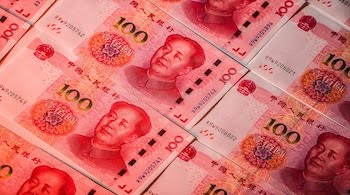
A new shift in global trade dynamics is drawing attention as reports suggest that fees for ships passing through the Strait of Hormuz are increasingly being settled in yuan. This development is seen as a strategic move that strengthens China’s currency influence while also driving momentum in its financial markets.
The Strait of Hormuz remains one of the most critical chokepoints for global energy supplies. Any change in the way transactions are conducted in this region carries significant economic implications. The adoption of yuan based payments signals a gradual diversification away from traditional dollar dominated trade systems.
Chinese payment firms have emerged as major beneficiaries of this trend. Investors are showing growing confidence in companies that facilitate cross border yuan transactions. As demand for such services rises these firms are witnessing increased volumes and improved market sentiment.
Market analysts believe that the use of yuan in shipping related fees could accelerate its acceptance in international trade. This aligns with China’s long term objective of promoting its currency as a global alternative. The trend also reflects broader geopolitical shifts as nations explore new financial arrangements amid ongoing global tensions.
Stock markets in China have responded positively. Payment and fintech companies linked to international settlements are seeing upward movement. The optimism is fueled by expectations of sustained growth in yuan based transactions especially in energy and shipping sectors.
However experts caution that the transition will take time. The dominance of the dollar remains deeply entrenched in global finance. Yet incremental changes such as these highlight a slow but steady evolution in the financial landscape.
As global trade adapts to new realities the rise of yuan payments in strategic routes like Hormuz may mark an important step in reshaping economic power structures. For Chinese payment companies the opportunity appears significant as they position themselves at the center of this transformation.