

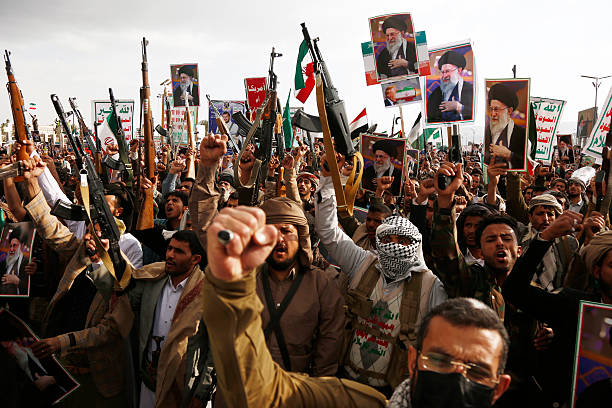
Global tensions in the Middle East are rising once again as military activities increase between key nations. Recent developments have raised concerns about a possible escalation that could impact not just the region but the entire world economy.
The conflict has already started affecting global markets with uncertainty rising among investors and businesses. One of the biggest concerns is the impact on oil supply. The Middle East is a major hub for global oil production and any disruption in supply can lead to higher fuel prices worldwide.

As oil prices increase it directly affects transportation costs manufacturing expenses and overall inflation. Countries that depend heavily on oil imports may face economic pressure which can slow down growth and increase the cost of living for citizens.
Stock markets are also reacting to the situation with fluctuations seen in major indices. Investors tend to become cautious during geopolitical tensions leading to volatility in global financial markets.Another important factor is global trade. Increased conflict can disrupt shipping routes and supply chains which may delay the movement of goods and increase costs for businesses.

Governments across the world are closely monitoring the situation and urging diplomatic solutions. However the uncertainty remains high and future developments will play a crucial role in shaping global economic conditions.
For individuals this situation may result in rising fuel costs higher prices of goods and increased financial uncertainty. Staying informed and planning expenses carefully is important during such times.