

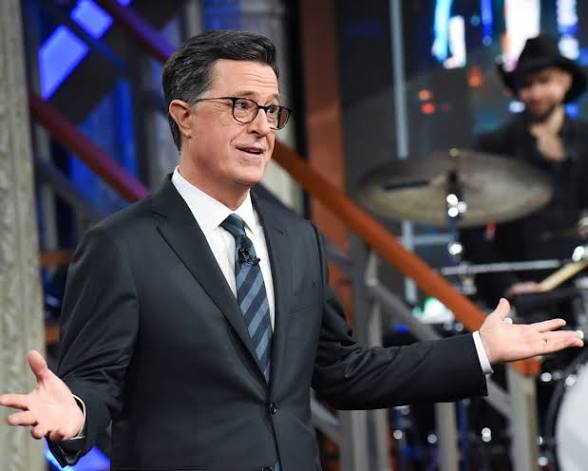
The announcement of late night host Stephen Colbert stepping away from television has triggered fresh debate about the future of political satire in America. For years Colbert became one of the most recognizable voices in political comedy using humor to question power challenge leaders and connect with audiences during some of the country’s most tense political moments.
His departure is now being viewed as more than the end of a television era. Many critics and viewers fear it could signal a wider decline in political satire at a time when media companies are becoming more cautious about controversy and public backlash.
Political satire has long played an important role in American culture. Programs hosted by comedians such as Jon Stewart Stephen Colbert and others often reached younger audiences who relied on comedy shows not only for entertainment but also for commentary on current affairs. Their jokes frequently shaped public conversations and influenced how people viewed politicians and national events.
Media analysts believe the changing television landscape is partly responsible for the growing uncertainty around satire. Traditional late night shows are facing pressure from streaming platforms social media creators and shifting viewer habits. Networks are increasingly focused on profitability and wider audience appeal which may leave less room for sharp political humor.
Some supporters of political comedy argue that satire remains essential in a democracy because it allows public figures to be questioned in a format that is accessible and engaging. They warn that reducing space for bold comedy could weaken an important form of cultural criticism.
Others believe satire is simply evolving rather than disappearing. Online creators podcasts and independent platforms are continuing to produce political humor outside traditional television. Younger audiences are also consuming satire through short videos and digital content instead of nightly broadcasts.
Even so Colbert’s exit has become a symbolic moment for many Americans who grew accustomed to turning on late night television for a mix of laughter and political reflection. His influence on modern political comedy remains significant and his departure is likely to continue fueling conversations about whether satire can maintain its place in an increasingly divided media environment.