

According to Araghchi, the United States spent months “bullying” countries, particularly India, to cut imports of Russian oil in an effort to weaken Moscow’s revenues linked to the war in Ukraine. However, he claimed that the situation has now reversed, with the White House allegedly asking countries to buy Russian crude to prevent a global supply crisis triggered by the ongoing Middle East conflict.
The comments come at a time when the conflict involving Iran and the United States has disrupted energy routes in the Gulf region, pushing oil prices higher and threatening global supply chains. With tanker traffic through the strategically important Strait of Hormuz facing uncertainty, major oil-importing nations have been scrambling to secure alternative supplies.
In response to these concerns, the US government recently issued a temporary 30-day waiver allowing Indian refiners to purchase certain Russian oil shipments that were already at sea. The move was intended to keep oil flowing in international markets and prevent a sharp spike in global prices during the crisis.
Araghchi used the development to highlight what he described as Washington’s double standards in global energy politics. He argued that the US previously imposed heavy diplomatic pressure and even threatened trade measures to discourage Russian oil purchases, but is now taking a more flexible approach due to market realities.
Energy analysts say the situation reflects the complex nature of global oil markets, where geopolitical conflicts can quickly reshape alliances and policies. As the Middle East crisis continues and shipping routes remain uncertain, countries like India may increasingly rely on diversified energy sources including Russian crude to maintain supply stability.
The dispute highlights how the ongoing geopolitical tensions involving Russia, Iran and the United States are reshaping the global energy landscape. With oil markets under pressure and diplomatic rhetoric intensifying, the coming weeks are likely to determine whether temporary policy adjustments evolve into longer-term shifts in international energy trade.
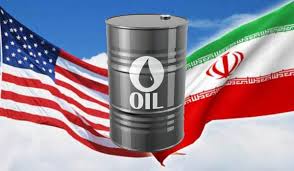
Iran has sharply criticised the United States for what it calls a major policy contradiction on Russian oil, accusing Washington of first pressuring countries such as India to stop buying Russian crude and now urging them to increase purchases amid a global energy crunch. The remarks came from Seyed Abbas Araghchi, who mocked the US stance during comments on the ongoing geopolitical tensions affecting global oil supplies.
According to Araghchi, the United States spent months “bullying” countries, particularly India, to cut imports of Russian oil in an effort to weaken Moscow’s revenues linked to the war in Ukraine. However, he claimed that the situation has now reversed, with the White House allegedly asking countries to buy Russian crude to prevent a global supply crisis triggered by the ongoing Middle East conflict.
The comments come at a time when the conflict involving Iran and the United States has disrupted energy routes in the Gulf region, pushing oil prices higher and threatening global supply chains. With tanker traffic through the strategically important Strait of Hormuz facing uncertainty, major oil-importing nations have been scrambling to secure alternative supplies.
In response to these concerns, the US government recently issued a temporary 30-day waiver allowing Indian refiners to purchase certain Russian oil shipments that were already at sea. The move was intended to keep oil flowing in international markets and prevent a sharp spike in global prices during the crisis.
Araghchi used the development to highlight what he described as Washington’s double standards in global energy politics. He argued that the US previously imposed heavy diplomatic pressure and even threatened trade measures to discourage Russian oil purchases, but is now taking a more flexible approach due to market realities.
Energy analysts say the situation reflects the complex nature of global oil markets, where geopolitical conflicts can quickly reshape alliances and policies. As the Middle East crisis continues and shipping routes remain uncertain, countries like India may increasingly rely on diversified energy sources including Russian crude to maintain supply stability.
The dispute highlights how the ongoing geopolitical tensions involving Russia, Iran and the United States are reshaping the global energy landscape. With oil markets under pressure and diplomatic rhetoric intensifying, the coming weeks are likely to determine whether temporary policy adjustments evolve into longer-term shifts in international energy trade.