
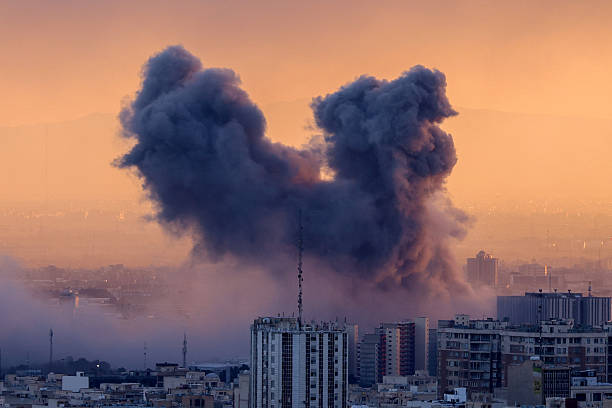
The Russia-Ukraine war has once again returned to global headlines after reports confirmed renewed military attacks following the collapse of a temporary ceasefire agreement.
According to international media reports, drone attacks and missile strikes resumed in multiple regions, increasing fears of further escalation in Eastern Europe.
European governments and NATO allies are closely monitoring the situation while discussing additional defense and humanitarian support measures.The conflict continues to affect global energy markets, food supplies, and geopolitical stability.
Several countries remain concerned about the long-term impact of the war on international trade and security.Military analysts say both sides are preparing for prolonged strategic operations as diplomatic negotiations remain uncertain.
Meanwhile, civilians in affected regions continue facing displacement, infrastructure damage, and humanitarian challenges.Global leaders are urging renewed peace discussions, but tensions remain high as military activities increase once again.
The Russia-Ukraine conflict remains one of the most significant geopolitical crises in the world today, influencing international politics, economic policies, and defense strategies worldwide.
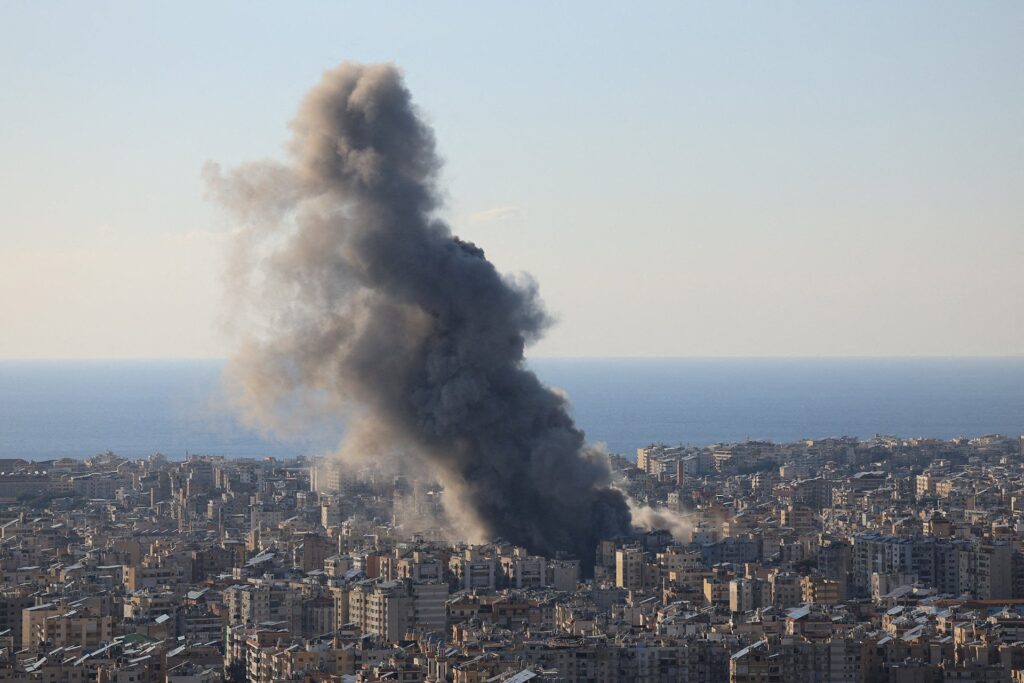
According to Reuters, Ukrainian officials said Russia launched more than 200 drones overnight following the expiration of the U.S.-mediated ceasefire that lasted from May 9 to May 11. Ukrainian air defense systems reportedly intercepted 192 of the 216 drones launched during the attacks.
The renewed strikes reportedly targeted energy infrastructure, residential areas, transport facilities, and public buildings in cities including Kyiv, Dnipro, Mykolaiv, and Kherson. Ukrainian authorities confirmed casualties and infrastructure damage after explosions and blackouts were reported in several regions.
Ukrainian President Volodymyr Zelenskyy stated that the fighting “never truly stopped” during the ceasefire period and accused Russia of preparing additional offensives. Meanwhile, the Kremlin repeated President Vladimir Putin’s claim that the war may be “approaching its end,” although both sides continue accusing each other of violating the temporary truce.
European defense ministers met in Brussels today to discuss increased military and humanitarian support for Ukraine as concerns grow over further escalation in Eastern Europe. NATO allies are also monitoring security risks following recent reports of stray drones entering Baltic-region airspace during cross-border operations connected to the conflict.
The war continues affecting global energy markets and international trade. Rising geopolitical instability has already contributed to higher oil prices and increased market volatility worldwide. India also reportedly rejected some Russian LNG cargoes linked to sanctions amid growing concerns over global energy security.
Military analysts say the conflict is increasingly becoming a long-term war of attrition involving drone warfare, artillery strikes, and infrastructure targeting. Reports from battlefield assessments suggest both Russia and Ukraine are preparing for prolonged strategic operations rather than immediate peace negotiations.
Despite ongoing diplomatic discussions involving the United States and European leaders, no long-term peace agreement has been finalized. Russia still controls roughly one-fifth of Ukrainian territory, while Ukraine continues demanding a complete withdrawal of Russian forces before any permanent settlement can be reached.