

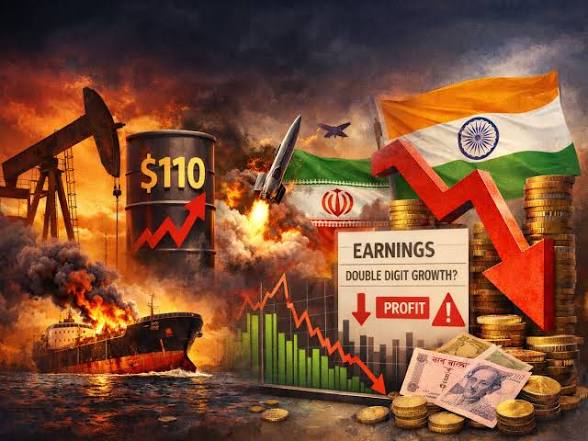
India’s current account deficit could widen to 2.3 percent of GDP in FY27 as rising crude oil prices increase the country’s import bill according to a recent assessment by HSBC. The report highlights that higher energy costs may put pressure on India’s external balance despite steady growth in exports and services income.
India imports a large share of its crude oil requirements which makes the economy sensitive to fluctuations in global energy markets. When oil prices rise the country spends more foreign currency on imports leading to a wider current account deficit. A higher deficit can also place pressure on the rupee and increase inflation risks.
HSBC noted that stronger domestic demand and continued economic expansion are likely to support higher imports in the coming financial year. While exports of services such as information technology and business outsourcing continue to provide support they may not fully offset the impact of expensive energy imports.
The report also pointed out that geopolitical tensions and supply uncertainties in global oil markets could keep crude prices elevated for a longer period. This may challenge policymakers as they attempt to maintain macroeconomic stability while supporting economic growth.
India’s current account deficit had remained relatively manageable in recent years due to strong services exports and healthy remittance inflows from overseas Indians. However a sustained increase in commodity prices especially crude oil could reverse some of those gains.
Economists believe that the Reserve Bank of India and the government may continue to monitor external sector risks closely. Measures aimed at boosting exports increasing renewable energy capacity and reducing dependence on imported fuel may become even more important in the years ahead.
Despite concerns over the widening deficit India is still expected to remain one of the fastest growing major economies supported by domestic consumption infrastructure spending and private investment growth.