
The global economy is facing a new wave of uncertainty today as rising government debt slowing growth and renewed inflation risks dominate financial discussions across the world. These developments have become the most important economic trends right now as policymakers investors and businesses try to navigate an increasingly complex environment.
One of the biggest concerns is the rapid increase in government debt across major economies. Countries around the world have significantly expanded spending over the past few years and now face record levels of borrowing. This has raised serious questions about long term fiscal stability and whether governments will be able to manage their debt without impacting economic growth.
At the same time global growth is showing signs of slowing down. Major economies including the United States Europe and China are experiencing weaker demand reduced industrial output and cautious consumer spending. International organizations such as the International Monetary Fund have already indicated that global growth is likely to remain moderate in the near term which reflects the challenges facing the world economy.
Another major issue is the return of inflation concerns. While inflation had started to stabilize in many regions rising commodity prices and supply side pressures are again creating uncertainty. This has made it difficult for central banks to take clear decisions on interest rates as they try to balance growth and price stability.
Central banks including the Federal Reserve the European Central Bank and the Bank of England are now adopting a cautious approach. Instead of aggressive rate hikes they are choosing to hold interest rates steady while monitoring economic conditions. This pause indicates that policymakers are concerned about pushing economies into a deeper slowdown.Financial markets are reacting carefully to these developments.
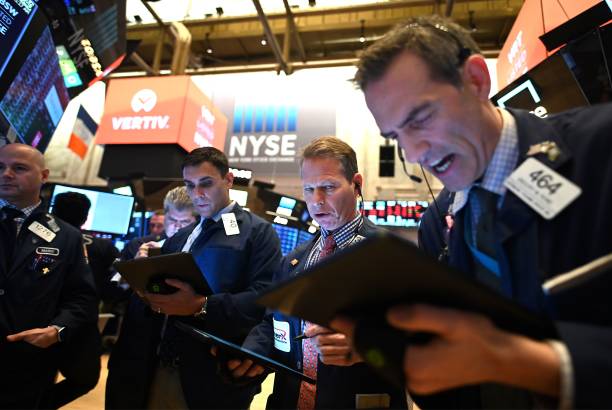
Investors are becoming more selective and cautious leading to mixed performance in global stock markets. Uncertainty around interest rates inflation and economic growth is creating volatility and affecting investment decisions across sectors.For developing economies the situation is even more challenging. High global interest rates and strong currencies in developed nations often lead to capital outflows which can weaken local currencies and increase financial pressure.
These countries must manage inflation while also supporting growth which is becoming increasingly difficult.The combination of rising debt slowing growth and inflation risk is creating a complex economic environment where no single solution exists. Governments and central banks are trying to strike a balance but the path forward remains uncertain.