
Asia is standing at the center of the global climate crisis. From rising sea levels in coastal regions to deadly heatwaves and devastating floods the continent is experiencing some of the harshest impacts of climate change. Yet despite the growing danger Asia faces an annual climate adaptation financing gap of nearly 200 billion dollars. This massive shortfall threatens economic stability public health food security and long term development across the region.Climate adaptation refers to the measures countries take to protect communities infrastructure agriculture and ecosystems from the effects of climate change.
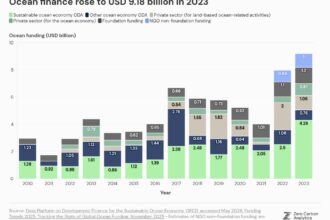
These actions include building flood resistant infrastructure improving water management systems strengthening disaster preparedness and supporting climate resilient farming. While mitigation focuses on reducing emissions adaptation focuses on survival and resilience.Asia is particularly vulnerable because of its large population rapid urbanization and dependence on climate sensitive sectors such as agriculture and fisheries. Countries like India Bangladesh Indonesia Vietnam and the Philippines are already dealing with stronger cyclones unpredictable monsoons droughts and coastal erosion. Millions of people are at risk of displacement and financial loss every year.According to international climate experts the current funding available for adaptation efforts is far below what is actually needed. Governments across Asia often struggle with limited budgets while private sector investment remains insufficient. Many developing economies also face high debt levels which reduce their ability to invest in climate resilience projects.The financing gap has serious consequences.
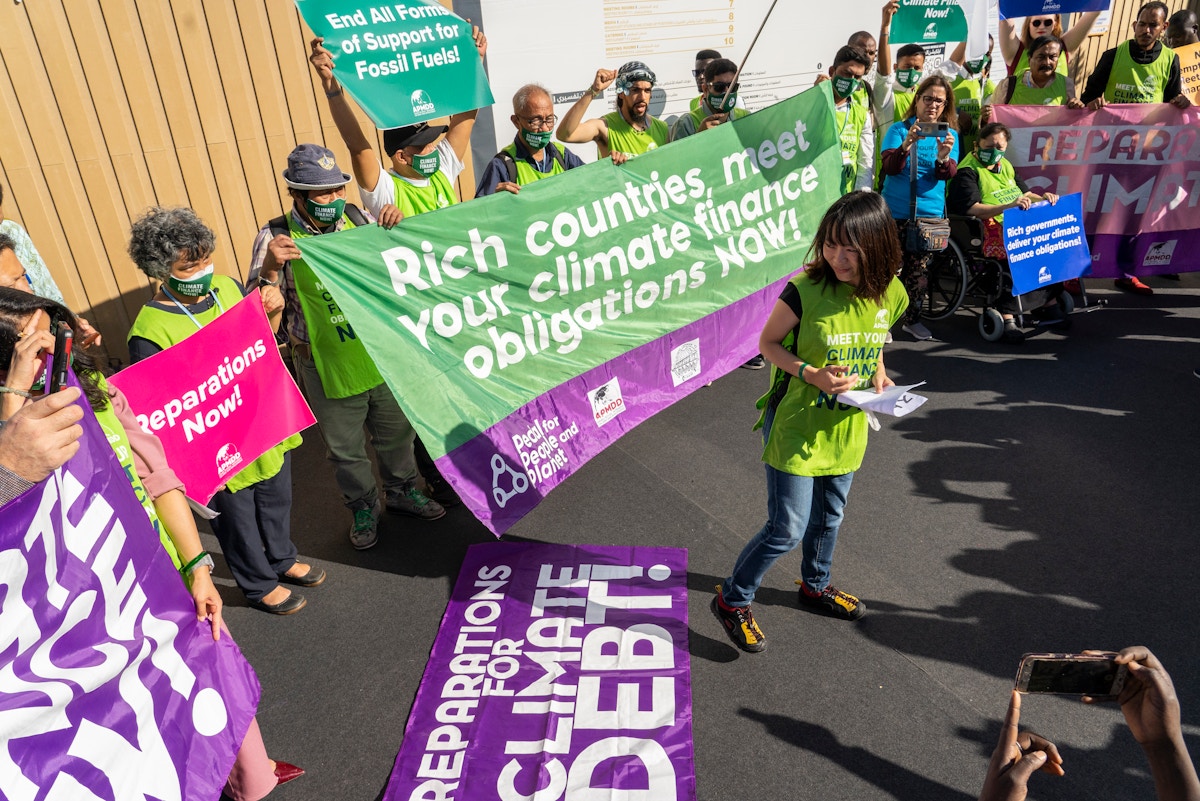
Without adequate investment vulnerable communities remain exposed to disasters. Infrastructure damage increases economic losses and recovery becomes more expensive over time. Farmers face declining crop yields while cities experience rising pressure on water and energy systems. Poor and marginalized populations are usually the hardest hit.Global financial institutions and developed nations have repeatedly pledged support for climate vulnerable countries. However experts argue that funding commitments have not matched the urgency of the crisis.
Access to climate finance is often slow complex and unevenly distributed. Smaller nations and local governments frequently struggle to secure the resources they need.