

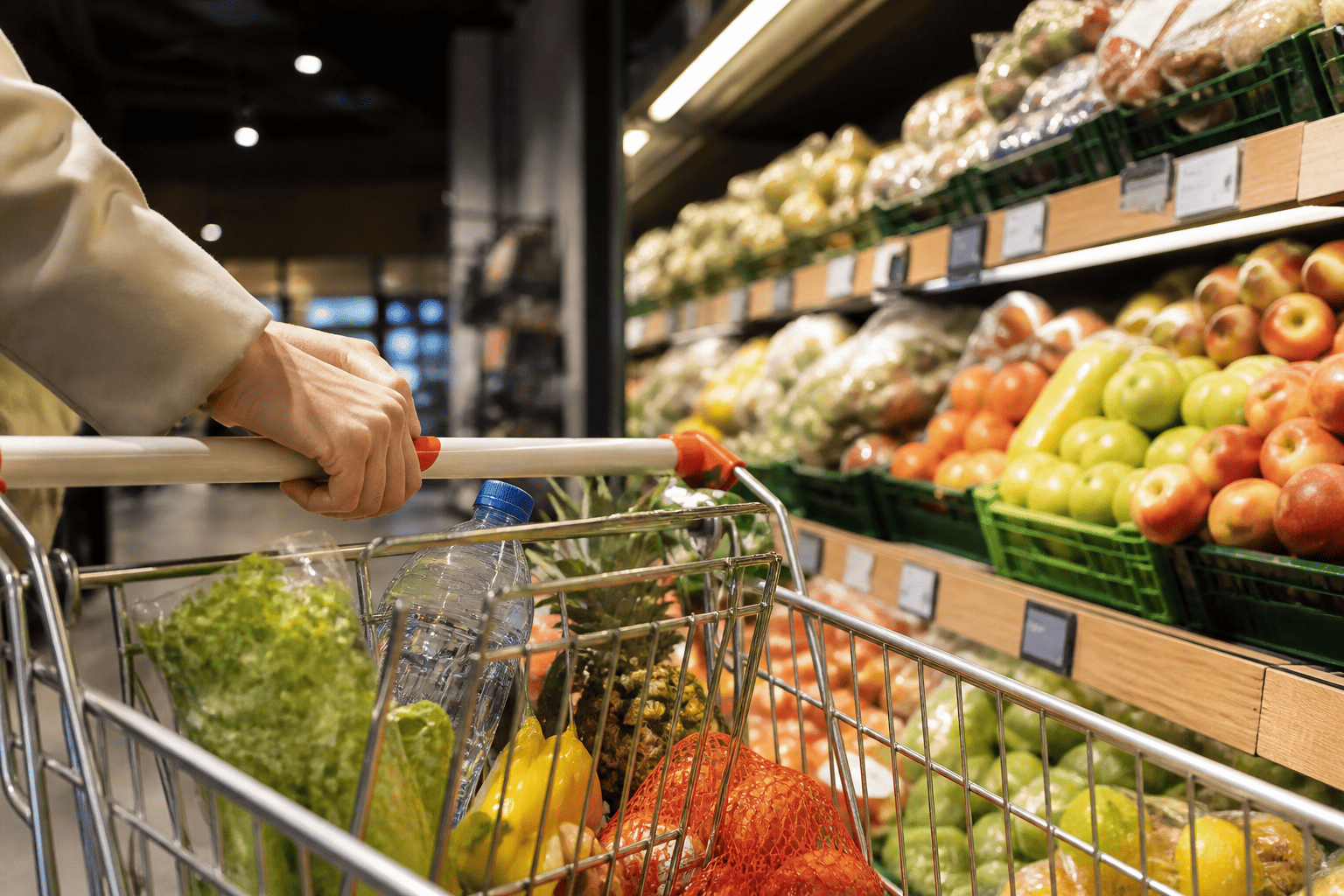
One of the biggest global economy stories trending today is the sudden rise in worldwide food prices as supply chain disruptions geopolitical tensions and transportation costs begin affecting international markets again.
New global data released today showed that food prices increased for the third consecutive month with major increases seen in grains vegetable oils meat and imported food products. Economists are warning that households around the world could soon face another wave of rising grocery costs if supply pressures continue growing.
The latest reports show that shipping disruptions and higher transportation expenses are affecting global food supply routes especially across regions dependent on imported agricultural products. Fertilizer prices have also increased sharply in recent weeks which could push farming costs even higher later this year.
Analysts say this is becoming a serious concern because food inflation directly affects consumer spending and economic stability in both developed and emerging economies. When food prices rise rapidly consumers usually reduce spending on other goods and services which slows broader economic activity.
International financial institutions are already warning that prolonged supply disruptions could create additional inflation pressure globally. Economists believe countries heavily dependent on imported food and energy could face the strongest economic impact over the coming months.
Supermarkets retailers and food manufacturers are also beginning to feel pressure from rising input costs. Several companies have warned that profit margins may shrink if transportation and commodity prices continue increasing throughout 2026.
Global financial markets are watching closely because rising food inflation could complicate central bank decisions on interest rates. Many policymakers were hoping inflation would continue cooling this year but increasing food and commodity prices may force central banks to remain cautious.
Consumers worldwide are already noticing higher prices for everyday products including cooking oils bread dairy products meat and packaged foods. Economists warn that if supply disruptions worsen food inflation could become one of the biggest economic challenges during the second half of 2026.
At the same time poorer and developing nations remain especially vulnerable because food costs represent a larger share of household spending. Rising prices could increase financial stress for millions of families globally.Market analysts believe the situation will largely depend on whether global supply chains stabilize in the coming weeks.
Any additional disruptions in transportation shipping or agricultural production could push prices even higher.For now governments businesses and consumers are all closely monitoring food markets because rising grocery costs often become one of the fastest ways global economic pressure reaches ordinary people.
The world economy may currently be focused on trade markets and technology but food inflation is once again becoming one of the most important stories affecting consumers everywhere.