
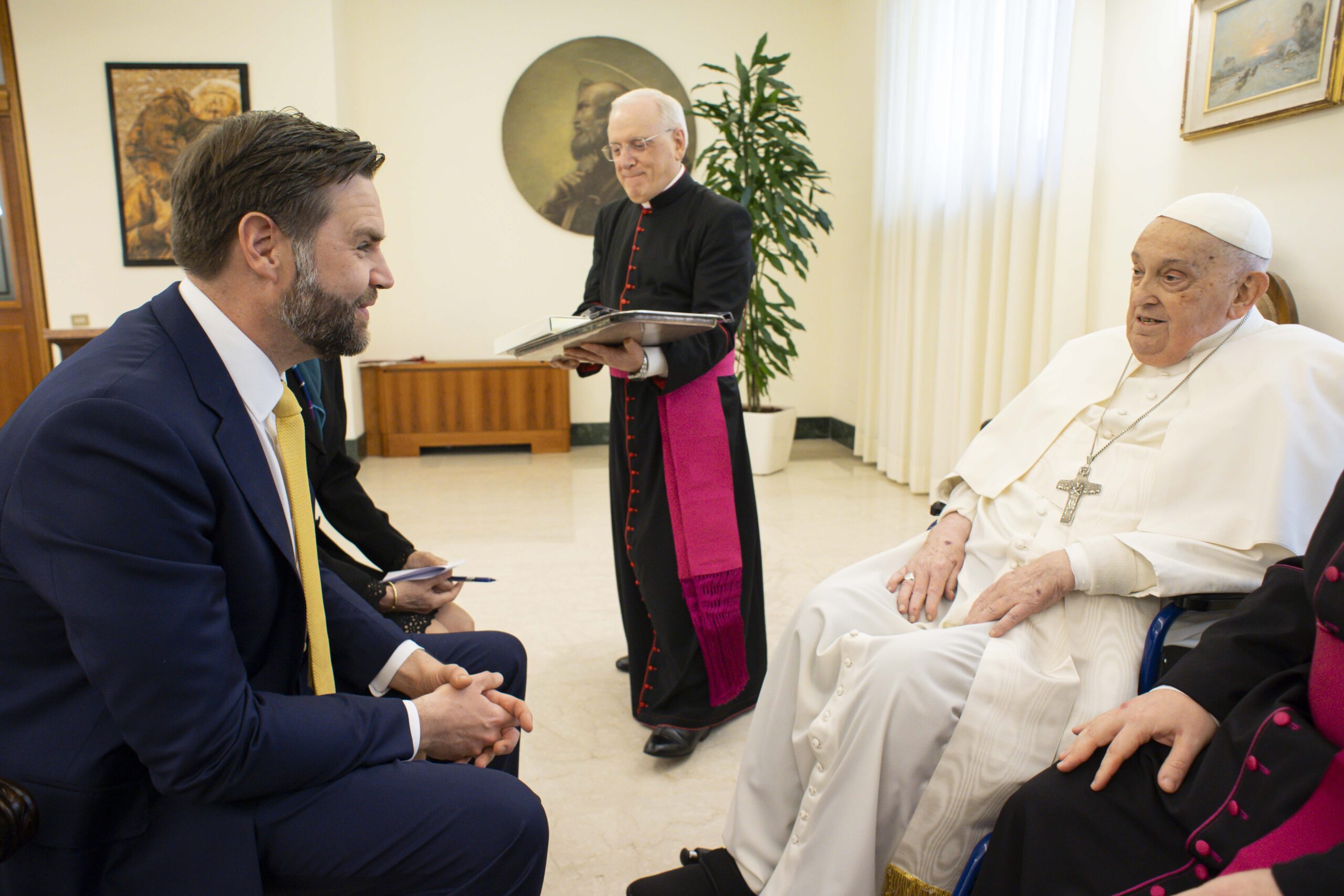
JD Vance has urged the to remain focused on moral and spiritual issues rather than engaging in United States politics. His remarks come amid rising tensions involving and highlighting a widening divide between political and religious voices.
Vance stated that while the Vatican plays a significant role in guiding moral values it should avoid influencing domestic political debates in the United States. He emphasized that political decisions should be shaped by elected leaders and the will of the people rather than external religious institutions.
The comments follow a period of friction between Trump and Pope Francis where disagreements have emerged on issues such as immigration social policies and global cooperation. These differences have drawn attention to the broader relationship between political leadership and religious authority.
Supporters of Vance argue that his stance reinforces the principle of separation between religion and state. They believe that maintaining clear boundaries helps preserve democratic processes and prevents undue influence from international institutions.
However critics see the remarks as dismissive of the Vatican’s role in addressing global concerns that often intersect with politics. They point out that the Catholic Church has historically spoken on issues such as human rights poverty and migration which naturally carry political implications.
The situation reflects a complex dynamic where moral guidance and political governance often overlap. As debates continue the exchange between Vance and the Vatican underscores ongoing tensions about the role of religious voices in shaping public policy and political discourse.
The development is likely to keep the spotlight on how global institutions interact with national politics and how leaders navigate the balance between faith based perspectives and democratic decision making.